
Areas We Serve
Social Security Disability Representation Across Texas
A Texas social security disability lawyer does not need to be in your town to win your claim - because your claim is not decided in your town. Dan Wimmer represents SSDI and SSI claimants across Texas from his Austin office, and every case follows the same statewide path: a Social Security field office takes the application, a single state agency makes the first medical decision, and appeals run through reconsideration to an Administrative Law Judge, with hearings usually held by online video or telephone.
That structure is worth understanding, because it explains why representation matters more than proximity. The initial decision on every Texas claim - whether you file in El Paso, Amarillo, Houston, or Brownsville - is made by Texas Disability Determination Services, the state agency that reviews claims for SSA. Most first applications are denied. The claims that ultimately win are usually the ones with the strongest files: complete medical records, consistent forms, and doctors’ statements that speak to what Social Security actually measures - your ability to sustain full-time work.
Dan handles every case personally, from the first call through a hearing. The consultation is free, and there is no fee unless your claim is won. Call 833-833-2026 from anywhere in Texas.
How a Texas disability claim is decided
Every Texas disability claim runs through the same machinery. Your local Social Security field office - there are dozens across the state - handles the non-medical side: work credits for SSDI, income and resources for SSI. Your medical file then goes to Texas Disability Determination Services, which decides whether you meet the federal definition of disability. If the answer is no, you ask for reconsideration, and if that is denied too, you request a hearing before an Administrative Law Judge.
Texas hearings are handled by seven hearing offices - two in Dallas, one each in Fort Worth and San Antonio, two in Houston, and one serving the Rio Grande Valley - along with SSA’s national hearing centers, which pick up cases from anywhere. Which office gets your case depends on your field office, but the far more practical fact is that most hearings are now held by online video or telephone. A claimant in Lubbock or Laredo prepares for a hearing exactly the way a claimant in Austin does, and travels just as little.
One Texas-specific point matters for SSI claimants: Texas has not expanded Medicaid. For many adults with disabilities and little income, winning an SSI claim is the main path to Medicaid coverage, which makes appealing a denial about more than the monthly check. It is also why building the medical record early matters - treatment gaps caused by lack of coverage are one of the most common weaknesses in Texas claims, and there are ways to work around them if the claim is handled carefully.
- Initial medical review
- Initial medical decisions statewide are made by Texas Disability Determination Services, the state agency within the Texas Health and Human Services system that reviews every Texas claim for SSA.
- Where appeals are heard
- Texas is served by seven hearing offices - Dallas (Downtown), Dallas (North), Fort Worth, Houston (North), Houston (West), San Antonio, and the Rio Grande Valley - plus satellite sites and SSA’s national hearing centers. Which office is assigned depends on the field office that took your claim, but most hearings are held by online video or telephone, so the assignment rarely means travel.
- Medicaid and SSI
- Texas has not expanded Medicaid, so for many adults an approved SSI claim is the main path to Medicaid coverage - one more reason a denied claim is worth appealing.
Local work and medical records
Texas industry ranges from energy and petrochemical work on the Gulf Coast to construction, healthcare, warehouse and logistics, agriculture, and technology in the major metros. That range matters in a disability claim, because Social Security evaluates you against your own past work first: an offshore or refinery worker, a home health aide, a long-haul driver, and a software developer each need a differently built medical record to show why their work - and any other full-time work - is no longer possible.
Where claimants tend to get their records
- Baylor Scott & White (Central and North Texas)
- Ascension and St. David’s (Central Texas)
- Houston Methodist and Memorial Hermann (Gulf Coast)
- UT Southwestern and Parkland (Dallas–Fort Worth)
- University Health (San Antonio)
Understand your options
Not sure where your claim fits? Read about how SSDI works and who qualifies, or about SSI for people with limited income and resources. If you have already been turned down, here is what to do after a denied claim.
Conditions common to this area
Questions from Texas claimants
Do I need a lawyer in my own city to handle a Texas disability claim?
Where will my hearing be held if I live outside a big city?
I have gaps in my medical treatment because I lost my insurance. Will that sink my claim?
Nearby areas we serve
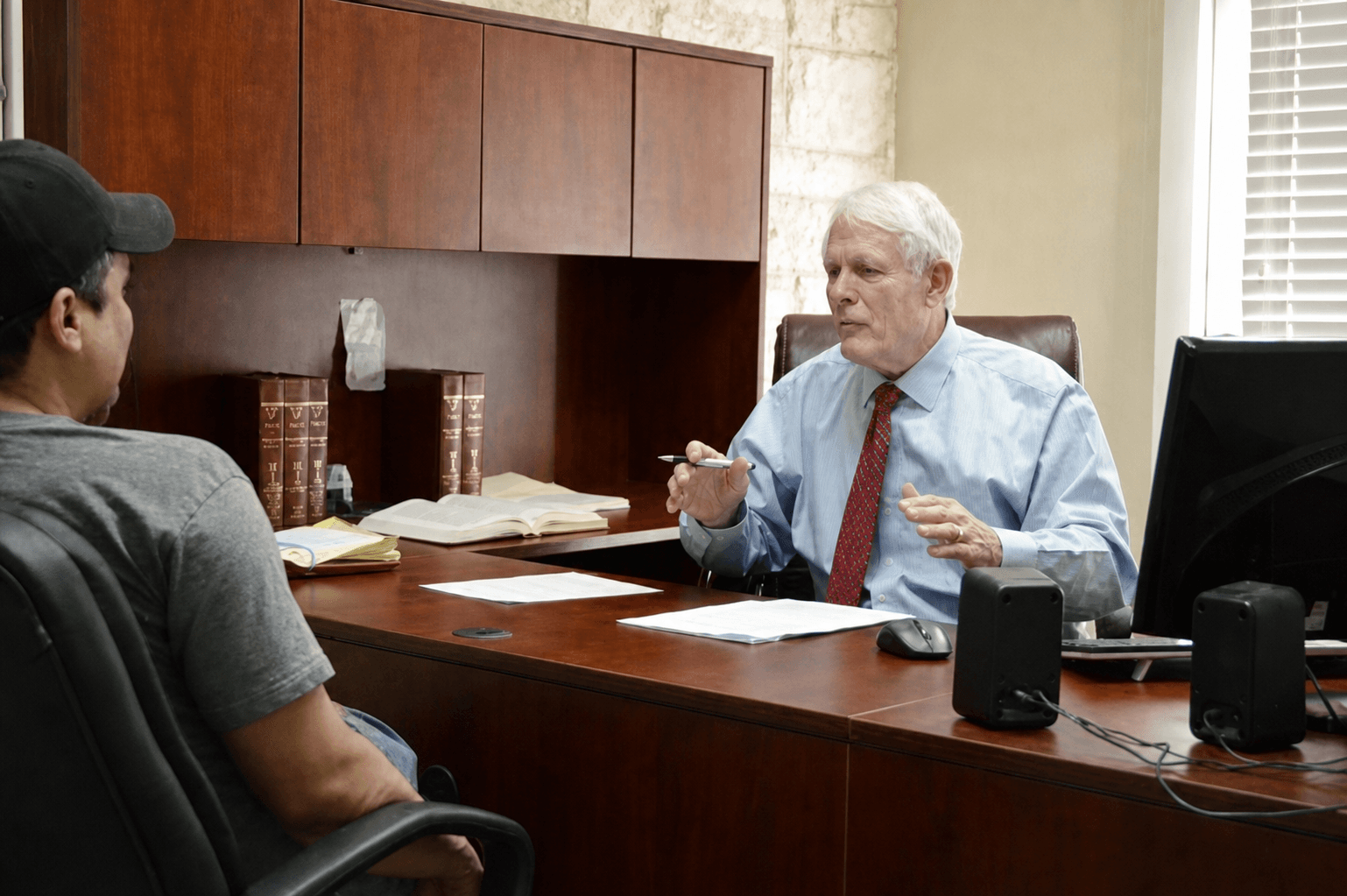
Talk with Dan about your claim
Every consultation is free, and there is no obligation. You pay no attorney fee unless your claim is won. Most of what we need can be handled over the phone.